Let's cut to the chase. After helping dozens of friends plan their trips and spending months there myself, I can tell you that the most common mistake is underestimating two things: the sheer distance between places and the cost of the activities that make New Zealand special. Asking "how much money will I need for 2 weeks in New Zealand?" isn't about finding a single magic number. It's about understanding your travel style and where your dollars will vanish fastest.
For a comfortable, do-it-yourself trip covering both islands, focusing on nature and a few key adventures, a solo traveler should realistically budget between NZ$3,500 to NZ$5,500 for two weeks. A couple sharing costs might spend NZ$5,500 to NZ$8,500 total. Backpackers sticking to hostels, buses, and free hikes can scrape by on NZ$2,200 to NZ$3,000. These figures include flights to/from NZ. Surprised? Most people are. Let's break down exactly why.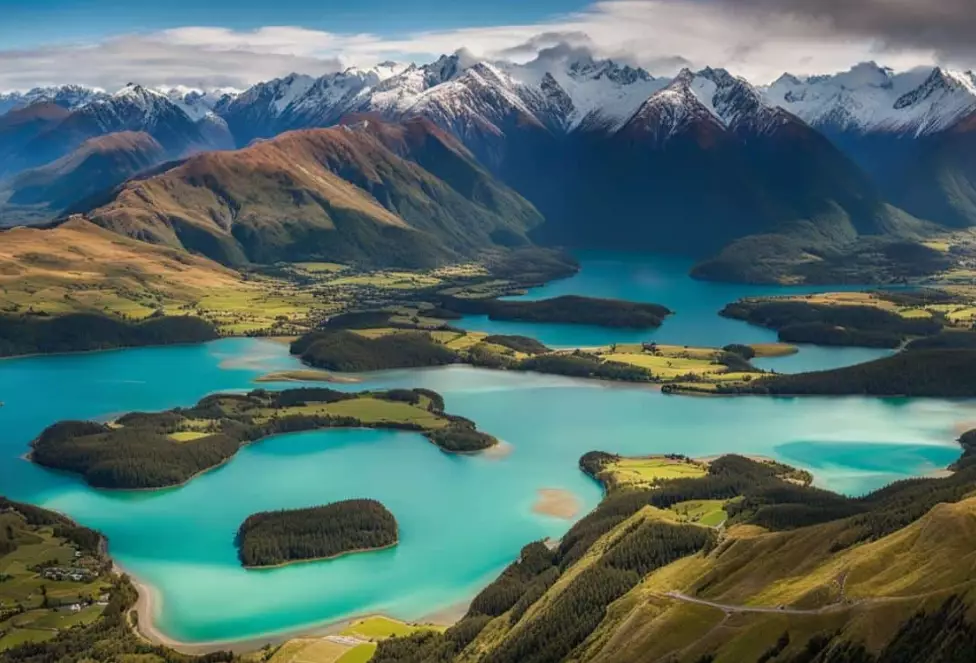
Your Budget Roadmap
Skip straight to what matters most for your wallet.
The Four Pillars of Your New Zealand Travel Budget
Forget generic percentages. Your spending will cluster around these four areas. Mess up one, and your whole budget can wobble.
1. Transport: The Silent Budget Killer
This is where dreams of a cheap trip often crash. New Zealand looks small on a map, but the roads are winding and slow. Driving from Auckland to Queenstown is like driving from Paris to Budapest.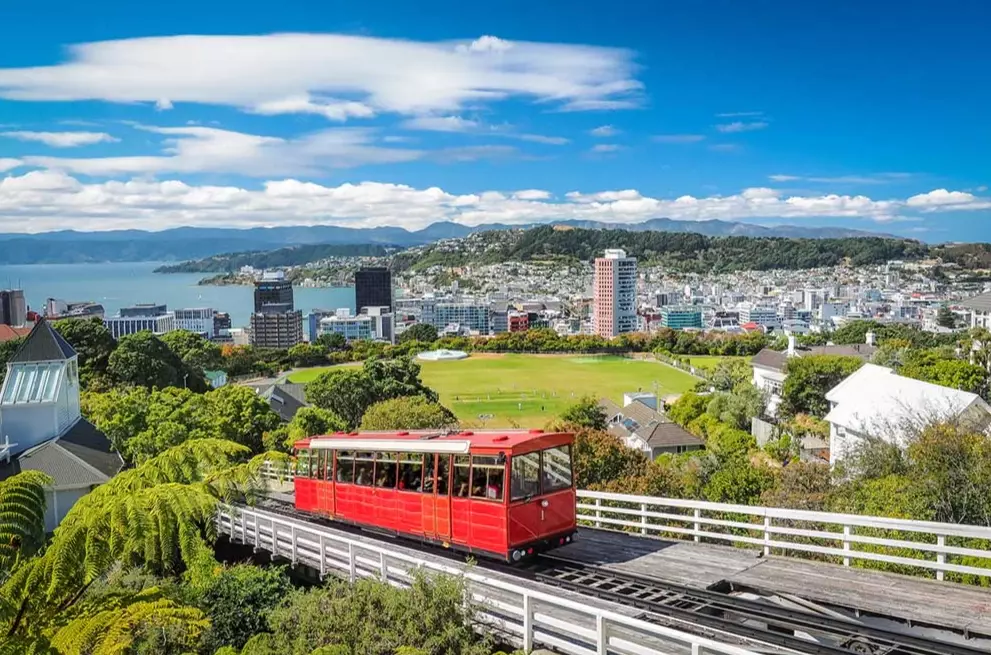
- Rental Car/Campervan: The king of flexibility and cost. A compact car runs NZ$50-$80/day. Add fuel (NZ$2.40-$2.70/litre), and you're looking at NZ$150-$250/day for a couple. Campervans start around NZ$120/day in low season and skyrocket to NZ$250+ in peak summer. Pro Tip: Book your vehicle months in advance, especially for campervans. Last-minute deals are a myth.
- Domestic Flights: Often smarter than long drives. Auckland to Queenstown can be NZ$100-$200 one-way if booked early. Check Air New Zealand and Jetstar.
- Intercity Buses (InterCity, GreatSights): The budget choice. A FlexiPass for travel over 2 weeks might cost NZ$300-$500. It's slower but lets you see the scenery without driving stress.
2. Accommodation: More Than Just a Bed
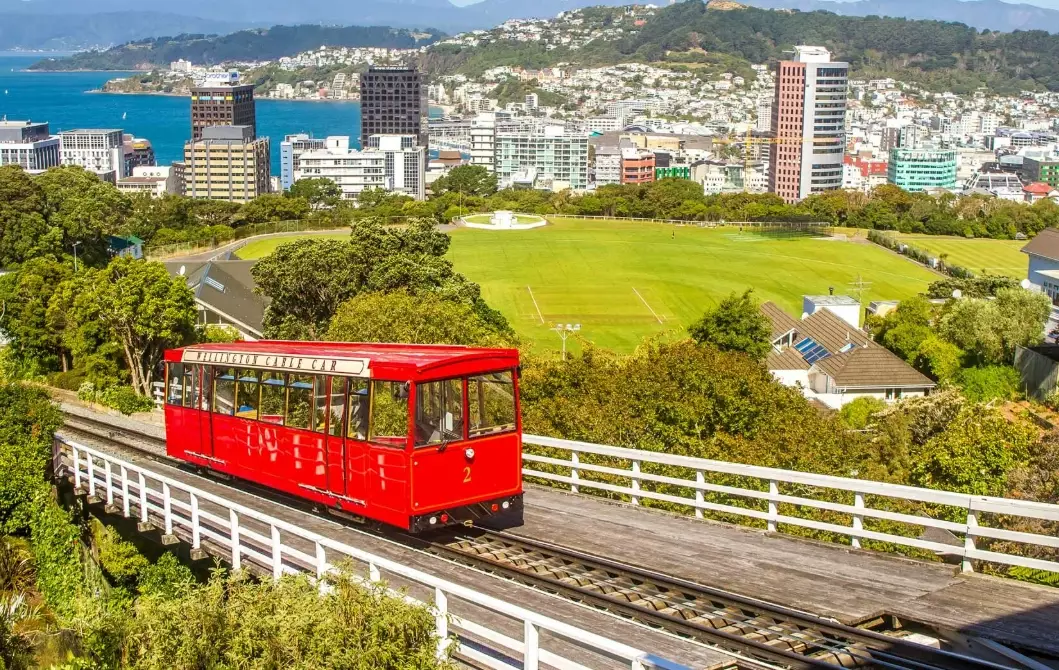
Prices swing wildly by season and location. A motel in Franz Josef will cost more than a trendy apartment in Wellington.
| Accommodation Type | Average Cost Per Night (NZ$) | Best For / Notes |
|---|---|---|
| Hostel Dorm Bed | $30 - $45 | Solo backpackers, social travelers. Book via BBH or YHA networks. |
| Private Hostel Room | $80 - $130 | Couples or friends wanting privacy on a budget. |
| Motel / Holiday Park Cabin | $100 - $180 | Families, road trippers. Often have kitchenettes. |
| Mid-Range Hotel/Airbnb | $140 - $250 | Most couples and comfort-seeking travelers. |
| Luxury Lodge/Hotel | $350+ | Special occasion trips. |
A hidden gem? Department of Conservation (DOC) Huts & Campsites. For hikers, a basic hut pass is a steal. A standard campsite might be only NZ$20 per person. Check the DOC website for details.
3. Food & Drink: From Supermarket Savvy to Cafe Culture
You can eat very well without blowing your budget, but it requires a strategy.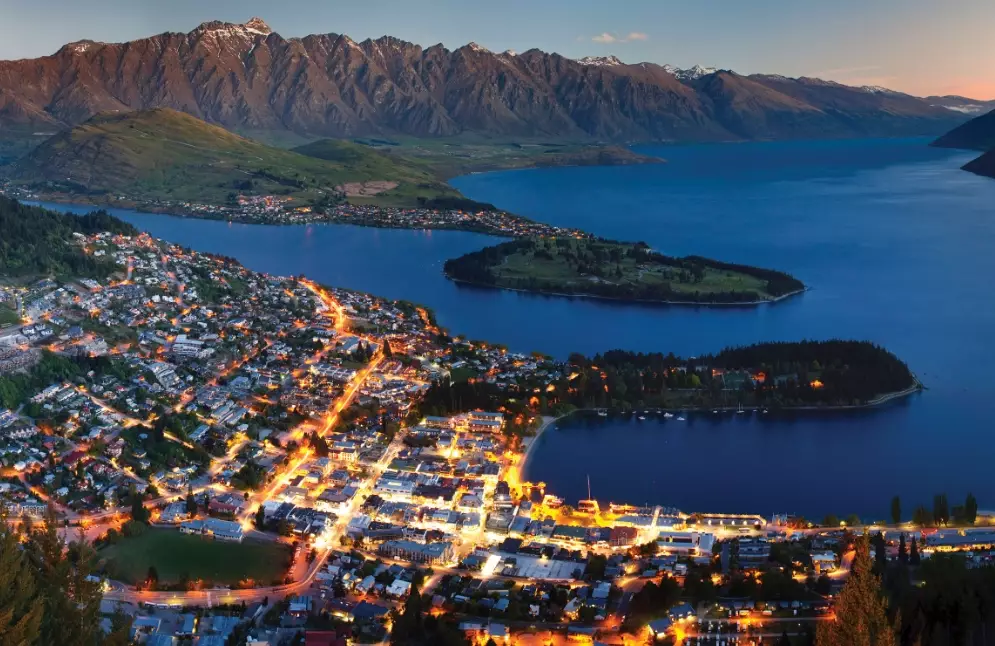
Self-Catering is Key. Count on at least one meal a day from a supermarket. A week's groceries for one person might be NZ$80-$120. New World and Pak'nSave are your friends.
Eating Out: A cafe brunch (eggs, coffee) runs NZ$20-$30. A main dinner at a decent pub or restaurant is NZ$25-$45. A fancy dinner in Queenstown? Easily NZ$60+ per person without wine.
My personal rule: Coffee is fantastic but costs NZ$5-$6. Buy a keep-cup and get one a day as a treat. The rest, make in your accommodation.
4. Activities & Tours: Where the Magic (and Money) Happens
This is the heart of your New Zealand cost. You can hike for free, but the iconic experiences cost.
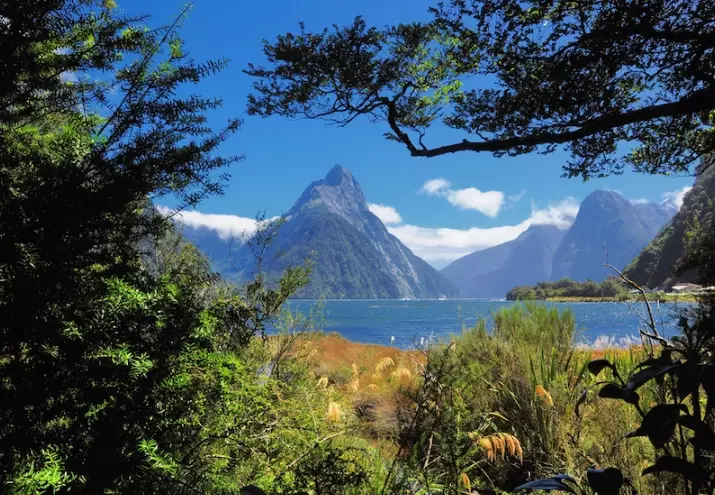
- Milford Sound Cruise: NZ$80-$120. Worth every cent. Opt for a smaller boat operator for a better experience.
- Heli-Hike on a Glacier (Franz Josef/Fox): NZ$450-$550. The single most expensive thing many people do.
- Bungy Jump or Skydive: NZ$200-$300. The adrenaline tax.
- Hobbiton Movie Set Tour: Around NZ$89. A must for fans, pricey for others.
- Great Walks (guided): Thousands. Doing them independently just costs the hut fee (NZ$20-$70 per night).
Prioritize. Pick 2-3 big-ticket items you truly crave and fill the rest with free hikes, beaches, and city wandering.
A Realistic 14-Day Budget Case Study: The "Balance Seeker"
Let's put this into practice. Meet Alex, a solo traveler who wants a mix of adventure and comfort, doesn't want to cook every meal, and plans to visit both islands. Here's a likely breakdown in New Zealand Dollars (NZD).
| Category | Estimated Cost (NZD) | Breakdown & Assumptions |
|---|---|---|
| Flights (to/from NZ) | $1,500 | From East Coast USA/Australia. Can vary hugely. |
| Internal Transport | $1,100 | Rental car for 10 days + fuel + one domestic flight (WLG to AKL). |
| Accommodation | $1,050 | 14 nights mix of private hostel rooms & mid-range motels ($75/night avg). |
| Food & Drink | $700 | $50/day: Self-cater breakfast/lunch, eat out simple dinner, few coffees. |
| Activities & Tours | $800 | Milford Sound cruise, one scenic flight, 2-3 paid walks/museums. |
| Insurance, SIM, Misc | $250 | Travel insurance, pocket wifi, souvenirs, laundry. |
| TOTAL ESTIMATE | $5,400 | For a solo traveler. A couple sharing car & room: ~$8,200 total. |
The Takeaway: Notice how transport and activities rival accommodation? That's the New Zealand reality. If Alex skipped the scenic flight and cooked more, they could shave off NZ$300. If they added a heli-hike, add another NZ$500.
Expert Tips to Stretch Your Dollars Further
These aren't your standard "travel hack" lists. These come from watching people overspend on the ground.
1. Master the Art of the "Split Trip"
Don't try to see everything. Focus on one island, or one region within an island, in depth. The constant moving is what burns fuel and time. A South Island loop (Christchurch, Tekapo, Wanaka, Queenstown, Milford, Glacier) is a perfect two-week trip. Adding the North Island forces rushed drives or expensive flights.
2. Book Your Big Three in This Order
First, lock in your vehicle (if needed). Second, book your major activity tours, especially ones with limited capacity like the Milford Sound overnight cruise or a specific glacier guide. Third, book your accommodation around those fixed points. This prevents you from being locked into a hotel in a town where the tour you want is sold out.
3. The Supermarket Roast Chicken is Your Best Friend
Seriously. For about NZ$12-$15, you get a hot, ready-to-eat chicken that can be dinner for two with a bagged salad. It's the ultimate tired-traveler, don't-want-to-cook solution that beats a NZ$50 pub meal.
4. Leverage Free Camping (Legally)
If you have a self-contained vehicle (certified campervan), apps like Campermate show thousands of legal freedom camping spots. One or two nights of free camping between paid holiday parks can save a couple NZ$60-$100 a night. Never freedom camp illegally – the fines are massive and you're ruining it for everyone.
5. Travel Shoulder Season (April-May, Sept-Oct)
The weather is still good, the crowds are gone, and prices for rental cars and accommodation can be 20-40% cheaper than peak summer (Dec-Feb). I prefer April-May—autumn colors are stunning.
Your Burning Budget Questions Answered
 So, how much money will you need? It boils down to your choices on wheels, beds, and thrills. Be realistic about the distances, book the big items early, and build your daily budget around one or two paid experiences surrounded by New Zealand's incredible free natural beauty. With smart planning, your two weeks there will be worth every penny.

Comments
Join the discussion